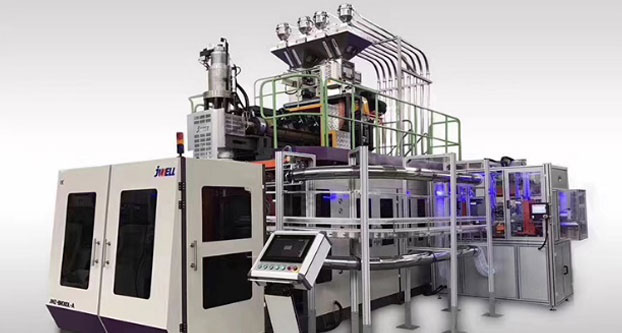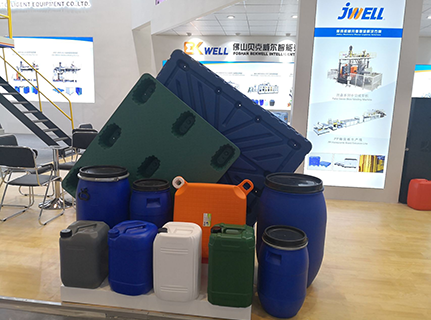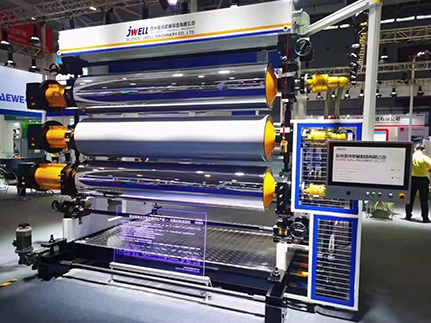
Wall thickness control has long been a persistent headache in the blow molding industry. Uneven wall thickness not only wastes raw materials and raises production costs, but also directly impairs core product performance such as drop resistance and leak tightness. Is there a technology that enables the parison to be thicker where strength is required and thinner where excess material is unnecessary along its circumferential direction? The answer is the PWDS Radial Wall Thickness Control System. This article provides a comprehensive breakdown of this core technology, hailed as the "weight-reduction magic" of the blow molding sector.
PWDS stands for Partial Wall Thickness Distribution System. Simply put, it acts as an intelligent, programmable mold lip. During blow molding, the wall thickness of the parison — a hollow plastic tube resembling a toothpaste tube — is no longer fixed. In real time, the PWDS system precisely adjusts the wall thickness at every circumferential position based on the product geometry: dispensing more material to load-bearing zones that demand high mechanical strength and less material to low-stress areas. The end result is an optimally balanced wall thickness across the entire product.
The PWDS® technology was originally developed by Germany’s Feuerherm, the global pioneer of radial wall thickness control for blow molding. The company has maintained an in-depth strategic partnership with us, Kautex, for many years.
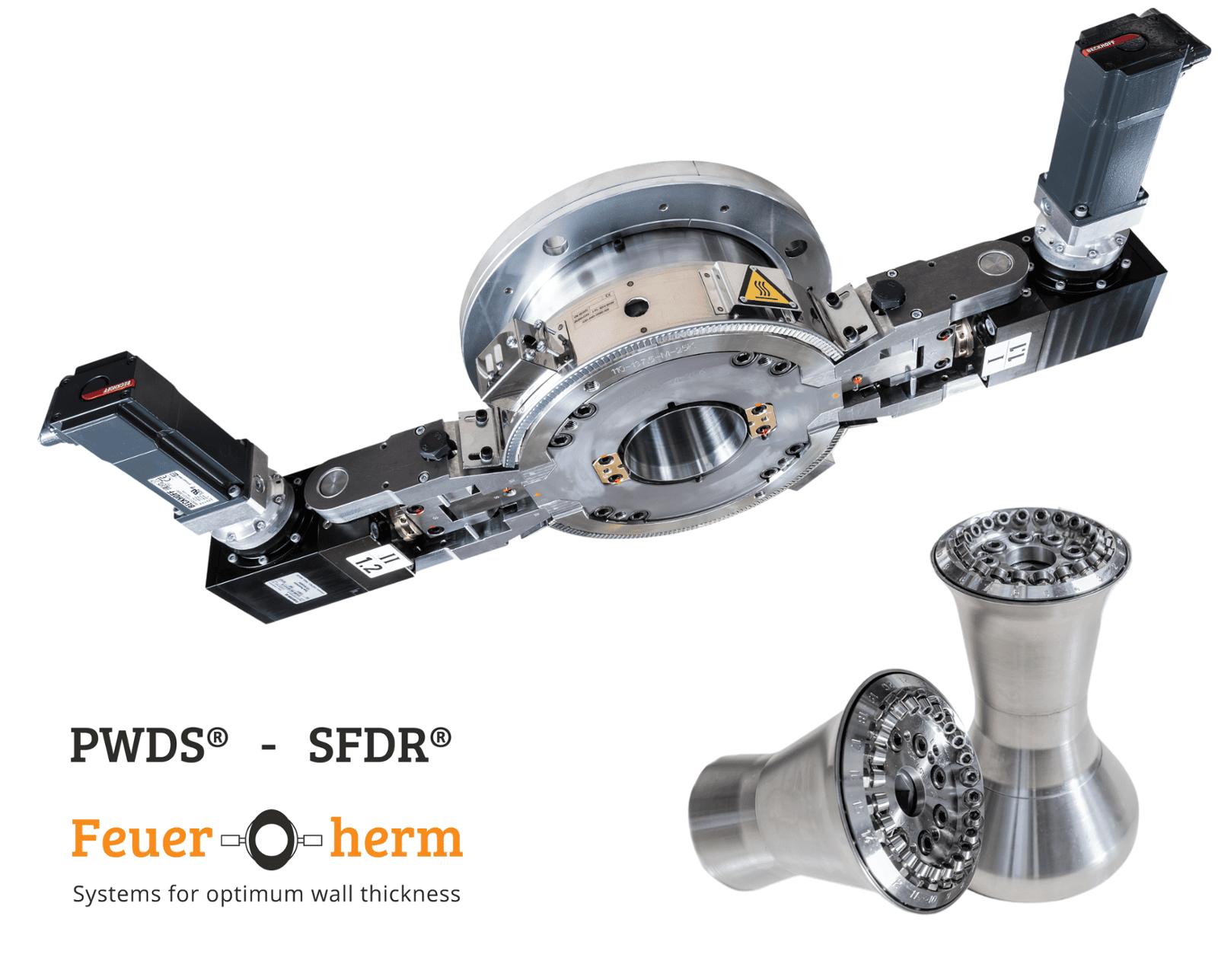
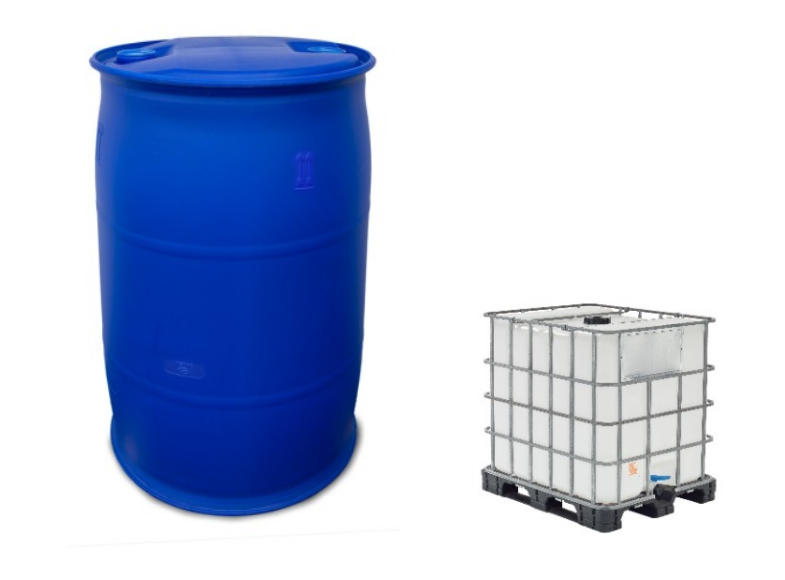
Significant raw material savings: This is its most tangible benefit. Precision wall thickness regulation drastically cuts unnecessary material waste. For 1000L containers, the radial wall thickness distribution system delivers a 8%–10% weight reduction. When manufacturing 30L chemical drums, substantial weight reduction can also be achieved without compromising structural integrity.
Shorter production cycles: Uniform wall thickness facilitates faster, more consistent cooling. Field cases prove that the single-piece molding cycle is effectively shortened, lifting daily factory output.
Lower energy consumption: Reduced material usage and shorter cycle times directly cut power consumption and mechanical wear, delivering dual energy savings on both raw materials and electricity.
Consistent wall thickness and stable quality: Eliminates the longstanding flaw of uneven wall thickness common to conventional equipment.
Enhanced product performance: Uniform wall thickness directly improves core attributes including drop resistance and leak tightness.
Stronger market competitiveness: Products manufactured with PWDS feature superior consistency and quality, serving as a powerful edge to win high-end customers.
Smaller carbon footprint: Less material and energy consumption directly lowers CO₂ emissions throughout production.
Supports sustainable development: Beyond its technical merits, this technology acts as a "green pass" that meets stringent environmental regulations across European and American markets.
PWDS technology is widely deployed across multiple industries:
Packaging: Tanks, drums, IBC intermediate bulk containers, etc.
Automotive: Plastic fuel tanks, filler pipes, etc.
Technical components: PFT pipes, hydrogen storage liners, floating solar panels, etc.
Consumer goods: Blow-molded toys, leisure articles, furniture, etc.
Notably, PWDS works in tandem with AWDS (Axial Wall Thickness Control) as complementary technologies. AWDS governs wall thickness along the length of the parison, while PWDS manages circumferential wall thickness. The combined setup delivers the optimal wall thickness distribution.
The story of PWDS dates back to 1973. At the time, inventor Harald Feuerherm worked at Mauser Maschinentechnik in Germany and encountered an industry-wide challenge: inconsistent wall thickness distribution on plastic drums.
He dedicated his spare time to intensive research, recalling: “100 working hours, 13 drawings, three inventions — a new accumulator head, the subsequent PWDS, and SFDR technology.” He submitted these innovations to his employer in 1975, and the company returned all invention rights to him in 1976. In 1977, Harald founded Feuerherm alongside his wife Gisela.
Half a century later, in 2025, Harald Feuerherm received the Lifetime Achievement Award from the Blow Molding Division of SPE (Society of Plastics Engineers). Industry experts describe his invention with one word: “Magic”. Today, PWDS technology maintains deep strategic cooperation with world-leading blow molding machine brands including Kautex, continuously driving technological advancement across the blow molding industry.
The PWDS system delivers its most remarkable benefits when equipped on molds with a diameter of 60 mm or larger. It may be unsuitable or offer poor cost performance for extra-small products. For low-volume, multi-variety production runs, customized PWDS systems of varying sizes require careful return-on-investment evaluation. Our professional team can provide clients with detailed ROI analysis to ensure maximum value for every investment.
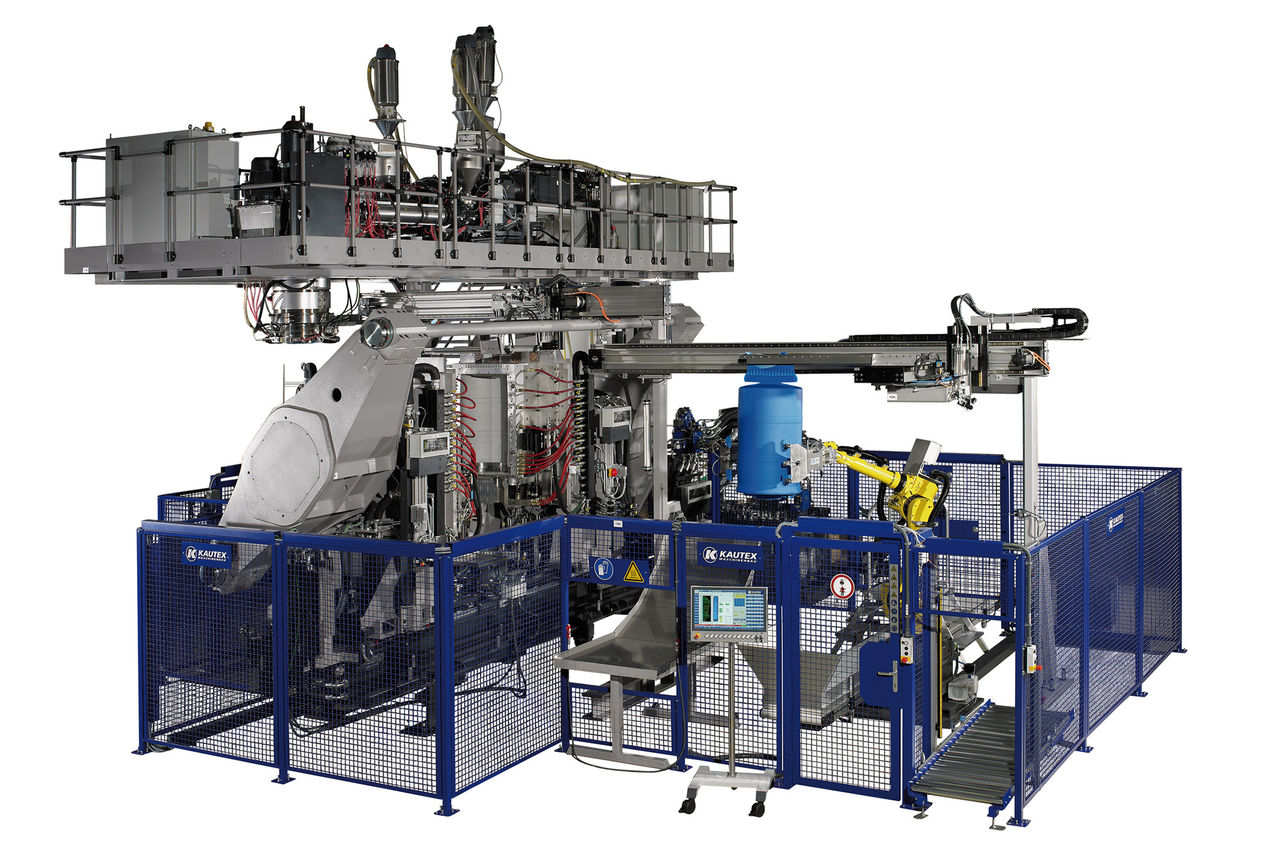
In short, the PWDS system is a revolutionary technology that enables you to manufacture higher-quality products with less raw material. It not only slashes costs and raises productivity, but also puts your products ahead of competitors in both environmental compliance and quality standards.
Our Kautex team boasts extensive, mature practical experience integrating blow molding machines with PWDS radial wall thickness control systems, with a large portfolio of successful mass-production deployments. We help manufacturers achieve precise wall thickness regulation, reduced raw material costs and stable product quality upgrades.
If you are seeking a reliable, cost-effective blow molding equipment upgrade solution to cut costs and boost efficiency, please feel free to contact us for professional technical specifications, complete matching proposals and authentic customer success stories.
 English
 한국어
한국어 français
 Español
 русский
 português
 العربية
 tiếng việt
 Türkçe
 ไทย
ไทย Polska