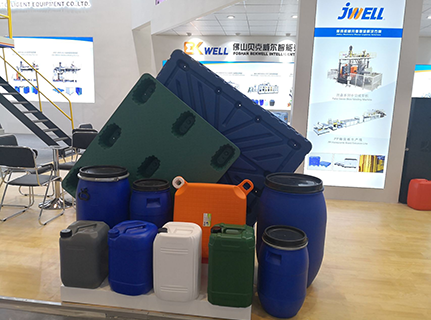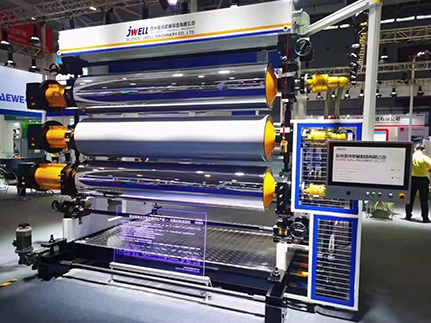
As plastic materials become more specialized, manufacturers are under increasing pressure to produce compounds with tighter performance specifications, better consistency, and greater sustainability. Whether producing color masterbatch, engineering plastics, recycled compounds, or biodegradable materials, selecting the right compounding equipment is critical to achieving stable production and reliable product quality.
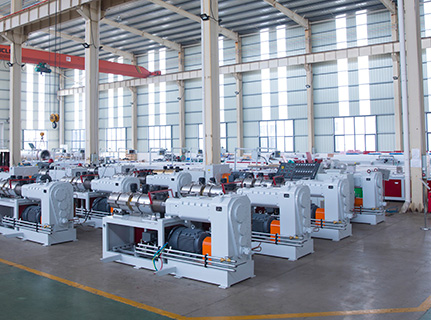
A compounding extruder machine is an industrial system designed to melt, mix, disperse, and homogenize polymers with additives, fillers, pigments, fibers, or modifiers to create customized plastic compounds with specific performance characteristics.
However, not all compounding systems are built for the same purpose. The ideal compounding extruder for a high-filler masterbatch project may not be suitable for engineering plastics or PET recycling. Understanding these differences is the first step toward making the right investment decision.
Plastic compounding is not a one-size-fits-all process. Each application introduces unique material behaviors, processing requirements, and quality expectations.
For example, color masterbatch production focuses on achieving uniform pigment dispersion, while engineering plastics often require precise incorporation of glass fibers, flame retardants, or impact modifiers. Recycling applications add another layer of complexity because recycled materials frequently contain moisture, contaminants, and varying melt characteristics.
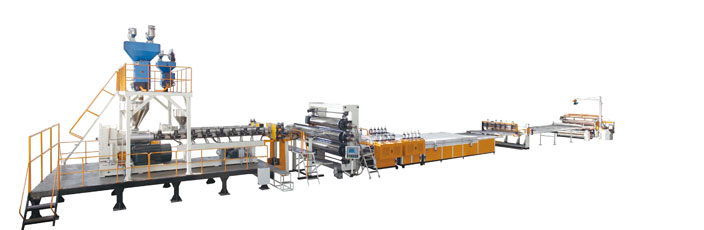
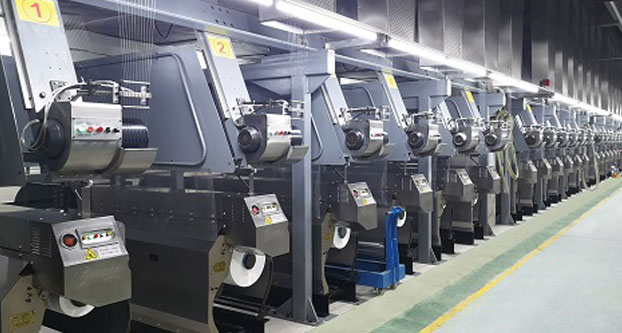
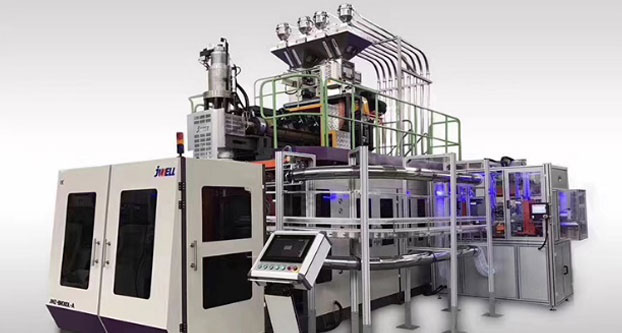
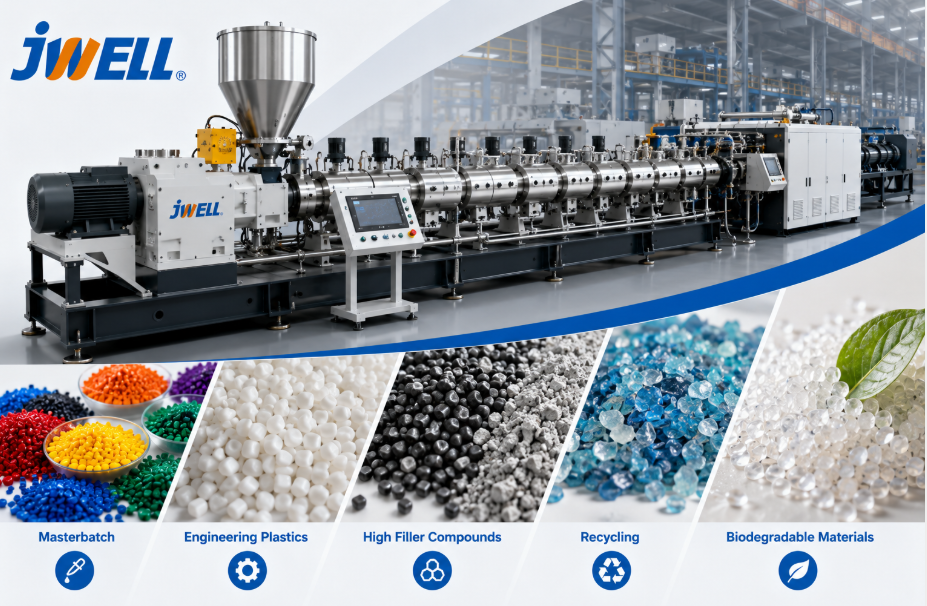
According to JWELL's compounding machine product portfolio, modern compounding systems are commonly used for:
Color and additive masterbatch production
Engineering plastics modification
High-filler compounds
PET recycling
Biodegradable materials such as PLA and PBAT
Because each process places different demands on mixing, shear, temperature control, and devolatilization, equipment selection should always begin with the target application.
The properties of the material being processed often determine the required machine configuration.
Materials such as polypropylene and polyethylene masterbatch formulations generally require strong dispersive mixing to ensure color consistency. Engineering plastics like PA, PC, ABS, and PBT typically demand higher torque and more sophisticated screw designs to accommodate reinforcing fibers and functional additives.
Recycled polymers present a different challenge. Post-consumer materials often vary significantly in composition, requiring enhanced melt homogenization and degassing capabilities to maintain product consistency.
Biodegradable polymers add another consideration. Materials such as PLA and PBAT are often more sensitive to processing conditions than conventional polymers, making accurate temperature control essential throughout the extrusion process.
As material formulations become more complex, the importance of selecting a properly configured compounding extruder machine increases substantially.
The following table provides a simplified comparison of common compounding applications and their typical processing requirements.
| Application | Main Processing Challenge | Recommended Extruder Characteristics |
|---|---|---|
| Color Masterbatch | Pigment dispersion | Strong distributive mixing |
| White & Black Masterbatch | High filler concentration | High torque capability |
| Engineering Plastics | Fiber and additive incorporation | Modular screw configuration |
| PET Recycling | Moisture and volatile removal | Efficient devolatilization |
| Biodegradable Plastics | Temperature sensitivity | Precise process control |
| High-Filler Compounds | Uniform filler distribution | Strong mixing and feeding systems |
This comparison highlights why machine selection should be based on processing requirements rather than output capacity alone.
Several technical factors have a direct impact on compound quality.
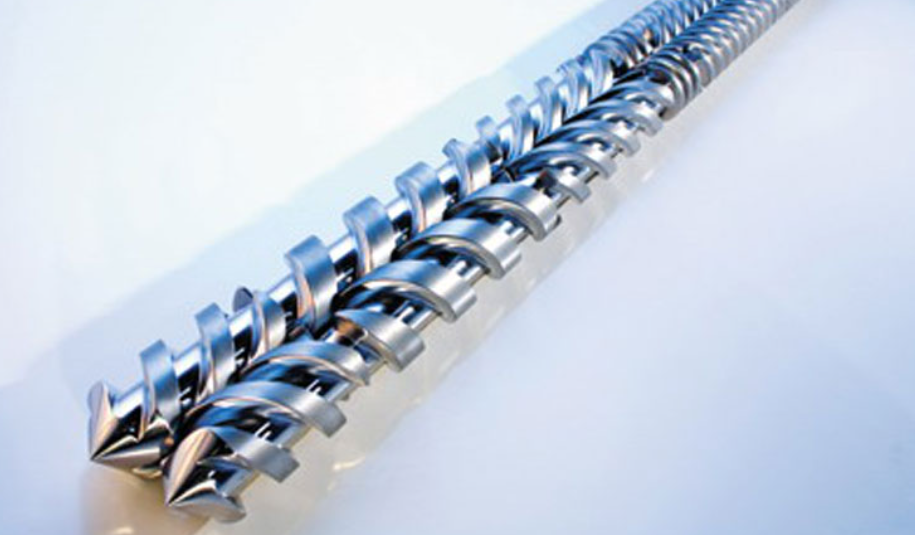
One of the most important is screw configuration. Modern twin-screw systems use modular screw elements that can be arranged to achieve different processing objectives, including melting, mixing, dispersing, kneading, devolatilization, and pressure generation.
Torque capacity is another critical parameter. High-torque systems can process highly filled materials and engineering plastics more efficiently while maintaining stable throughput.
The length-to-diameter ratio (L/D ratio) also influences performance. Longer processing sections provide additional residence time for mixing and homogenization, which can improve compound quality.
Research on co-rotating twin-screw extrusion has demonstrated that screw geometry and kneading block configuration significantly affect mixing performance and distributive efficiency, making machine design a key factor in compounding success.
Over the past several decades, twin-screw extrusion has become the preferred technology for most advanced compounding operations.
Unlike single-screw systems, twin-screw extruders provide more effective distributive and dispersive mixing. This enables processors to handle complex formulations containing multiple additives, fillers, fibers, pigments, and recycled materials while maintaining consistent product quality.
JWELL's compounding solutions are designed for engineering plastics, masterbatch production, polymer modification, recycling applications, and biodegradable material processing. These applications typically require superior mixing performance and process flexibility that conventional extrusion systems may struggle to provide.
As product specifications become more demanding, twin-screw technology continues to set the benchmark for modern compounding operations.
Recycling is one of the fastest-growing segments of the plastics industry.
According to the United Nations Environment Programme (UNEP), global plastic production now exceeds 400 million tonnes annually. This growing volume creates increasing demand for technologies that can efficiently recover and reuse plastic materials.
Recycled polymers often contain contaminants, residual moisture, and varying material compositions. These factors can negatively affect mechanical properties and processing stability if not properly managed.
For recycling applications, manufacturers should prioritize equipment with strong devolatilization capability, effective feeding systems, and stable temperature control. These features help improve material consistency while reducing processing defects.
PET recycling, in particular, often benefits from specialized compounding systems capable of handling moisture-sensitive materials while maintaining stable melt quality.
Automation has become an increasingly important factor in modern compounding operations.
Advanced control systems help maintain stable processing conditions by continuously monitoring temperature, screw speed, feeding rates, pressure, and energy consumption.
According to JWELL, its compounding equipment incorporates intelligent control technologies designed to improve operational stability and process consistency. Real-time monitoring helps operators identify process deviations before they affect product quality.
These systems also support preventative maintenance strategies, reducing unplanned downtime and improving equipment utilization rates.
As manufacturing continues moving toward Industry 4.0 standards, intelligent process control is becoming an essential feature rather than a competitive advantage.
Many equipment investments fail to achieve expected results because buyers focus on the wrong evaluation criteria.
One common mistake is selecting equipment based solely on current production needs. Material requirements often evolve over time, and insufficient flexibility can limit future growth opportunities.
Another frequent error is focusing only on initial purchase price. Energy consumption, maintenance costs, spare parts availability, and production efficiency typically have a greater impact on long-term profitability.
Some manufacturers also underestimate the importance of technical support. Even the most advanced equipment requires application expertise, process optimization, and ongoing service to achieve optimal performance.
Evaluating total lifecycle value rather than purchase price alone generally leads to better investment decisions.
The capabilities of the supplier are often just as important as the machine itself.
An experienced extruder machine manufacturer should be able to provide application-specific recommendations based on material characteristics, production goals, and future expansion plans.
Technical expertise becomes particularly important when processing engineering plastics, recycled materials, or highly filled compounds. Proper screw design, feeding technology, and process configuration can significantly affect production performance.
The jwell company has developed compounding solutions covering a wide range of applications, including engineering plastics modification, high-filler compounding, PET recycling, biodegradable materials, and masterbatch production. This application-oriented approach helps processors select equipment that aligns with their specific manufacturing objectives.
The plastics industry is changing rapidly. Sustainability requirements, recycling targets, lightweight materials, and advanced engineering polymers are reshaping manufacturing priorities.
When investing in a new compounding extruder, buyers should consider not only today's production requirements but also future market trends.
Equipment that supports multiple formulations, flexible screw configurations, advanced automation, and recycling capabilities is generally better positioned to remain competitive over the long term.
The ability to adapt to new materials and changing customer demands can often determine whether an investment continues delivering value five or ten years after installation.
Choosing the right compounding extruder machine requires more than comparing output specifications. Manufacturers should evaluate application requirements, material characteristics, torque capability, mixing performance, automation features, and future flexibility before making a decision. Whether producing masterbatch, engineering plastics, or recycled compounds, a properly configured compounding extruder can improve product quality, increase operational efficiency, and support long-term business growth in an increasingly competitive market.
A compounding extruder is used to combine polymers with additives, fillers, pigments, fibers, and modifiers to produce customized plastic materials with specific performance characteristics.
Twin-screw systems provide better mixing, improved material dispersion, higher process flexibility, and more effective devolatilization than traditional single-screw designs.
The selection should be based on material type, formulation complexity, required output, torque requirements, automation level, and future production plans.
Recycling applications often benefit from specialized configurations that include stronger degassing capability, enhanced filtration systems, and improved material homogenization.
Many modern twin-screw systems are designed for flexibility and can process a range of materials with appropriate screw configurations and process adjustments.
Wikipedia – Polymer Engineering
https://en.wikipedia.org/wiki/Polymer_engineering
Wikipedia – Extrusion
https://en.wikipedia.org/wiki/Extrusion
United Nations Environment Programme (UNEP) – Global Plastics Overview
https://www.unep.org
Encyclopaedia Britannica – Plastic
https://www.britannica.com/science/plastic
 English
 한국어
한국어 français
 Español
 русский
 português
 العربية
 tiếng việt
 Türkçe
 ไทย
ไทย Polska