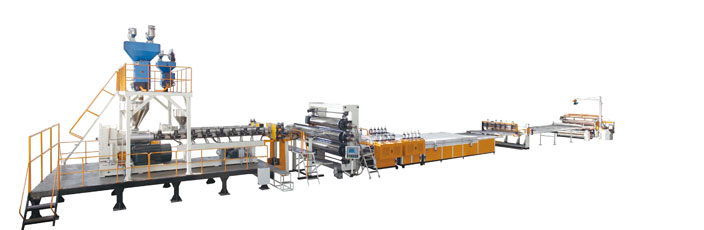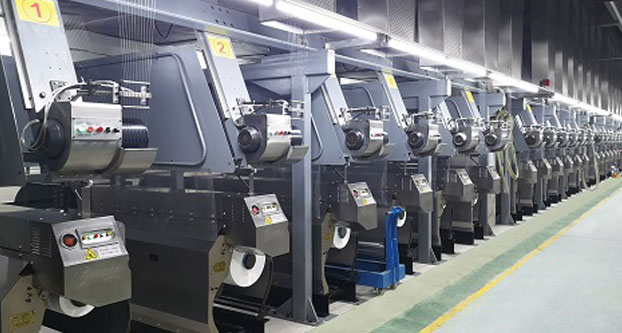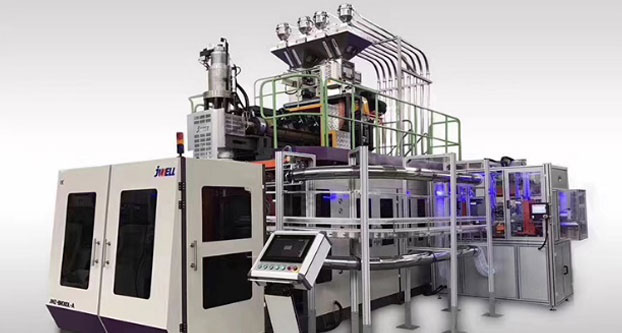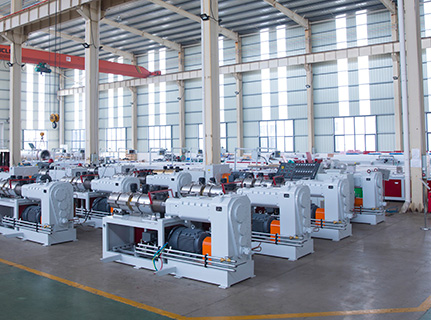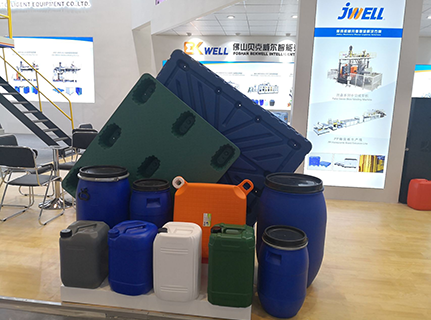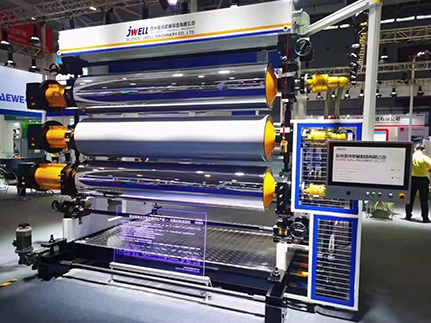
A blow molding machine is industrial equipment that heats thermoplastic material, forms it into a hollow parison or preform, inflates it against a mold with compressed air, and cools it into a finished hollow product.
Buyers often ask for one machine price before the product and output target have been defined. In practice, a machine for household bottles is not configured like one for drums, pallets, or automotive ducts.
The more useful question is not simply, “How much is the machine?” It is: “Which machine configuration can manufacture the required part consistently at an acceptable cost per unit?”
The product itself is the starting point. Container volume, dimensions, neck design, wall-thickness tolerance, and required output determine the extrusion capacity, die-head size, clamping force, mold dimensions, and cooling demand. A supplier cannot prepare a meaningful quotation from a product name alone.
Material also matters. Different polymers require suitable screw designs, processing conditions, and die-head arrangements. Buyers researching the hdpe blow moulding machine price should provide the resin grade, product weight, expected output, and whether recycled process material will be used.
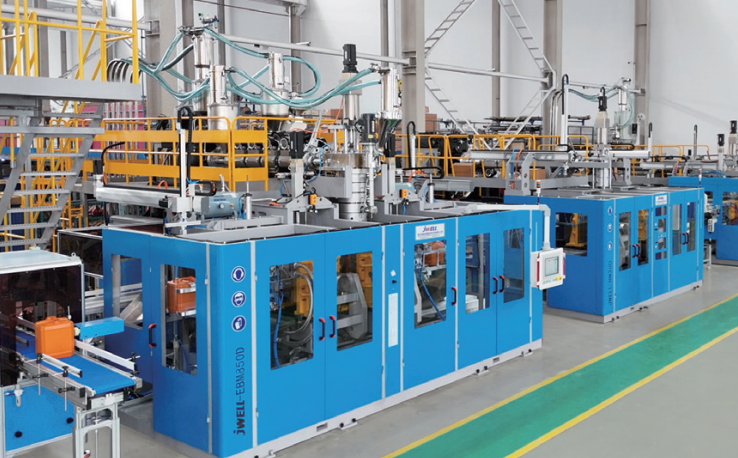
Machine architecture creates another major price difference. Continuous extrusion systems are commonly selected for small and medium hollow products, while accumulator-head systems may be needed for larger or heavier parts. Single-station and double-station machines also differ in production capacity, footprint, mold requirements, and operating complexity.
| Cost Factor | What Changes | Why It Affects Cost | Information to Provide |
| Product size and weight | Extruder, die head, clamp, and mold | Larger parts need stronger structures and greater plasticizing capacity | Drawing, volume, weight, and dimensions |
| Raw material | Screw design, heating, and wear protection | Resin behavior affects plasticizing and process stability | Polymer grade, additives, and regrind ratio |
| Output target | Heads, cavities, stations, and cycle design | Higher output may require parallel operations | Required parts per hour and annual demand |
| Layer structure | Additional extruders and co-extrusion head | Multi-layer production adds material circuits and controls | Number and purpose of layers |
| Automation | Deflashing, conveying, testing, and robots | Integration reduces manual handling but adds equipment | Operations that must run automatically |
| Drive system | Hydraulic, servo-hydraulic, or electric components | Precision, energy use, and maintenance needs differ | Local power and control requirements |
| Mold and auxiliaries | Mold, chiller, compressor, and recycling equipment | A complete line costs more than the base machine | Included and excluded equipment |
| Service scope | Installation, training, and spare parts | Low quotations may exclude essential start-up support | Testing, warranty, and service terms |
The blow moulding machine cost should therefore be evaluated as the cost of a configured production system, not only the base machine. Two quotations may appear similar while including different molds, auxiliary equipment, safety systems, and service responsibilities.
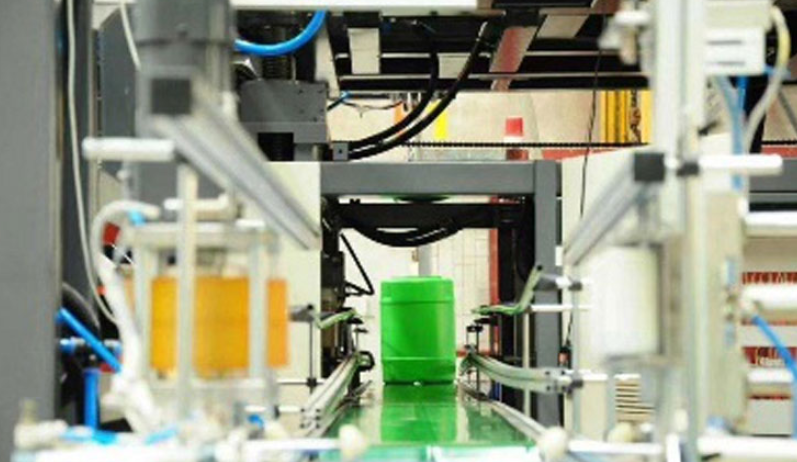
Automation may include parison programming, automatic deflashing, scrap collection, product conveying, leak testing, weighing, labeling, and robotic handling. Each function adds hardware, controls, and integration work, but it may also reduce repetitive labor and improve process consistency.
This is why the fully automatic blow moulding machine price is generally higher than that of a basic or semi-automatic machine. However, the higher initial investment is not automatically the best choice for every factory.
A highly automated system makes more sense when:
Production volume is stable;
Product designs do not change frequently;
Quality inspection is repetitive;
Manual handling increases labor costs;
The production environment requires better cleanliness.
When reviewing an automatic extrusion blow molding machine, ask exactly which operations are included in the quotation. “Automatic” may refer only to the molding cycle, or it may also cover trimming, inspection, and finished-product handling.
The lowest quotation does not always create the lowest long-term cost. Total cost of ownership includes:
Electricity;
Compressed air;
Cooling water;
Material waste;
Maintenance;
Spare parts;
Product changeover time;
Unplanned downtime.
Energy-related equipment deserves attention because extrusion, cooling, and compressed-air systems operate throughout production. A U.S. Department of Energy study cited estimated savings of 33% for variable-speed drives on chilled-water pumps and 20% for higher-efficiency extruder-drive motors and improved compressed-air systems.
These figures are study assumptions rather than guaranteed results for every production plant, but they demonstrate why utility-system design should be included in the cost comparison.
Material control can be equally important. Poor parison programming, unstable extrusion, or ineffective trimming can generate additional scrap during every production cycle.
For hdpe blow molding, buyers should compare:
Screw and barrel design;
Die-head control;
Wall-thickness programming;
Flash removal;
Cooling layout;
Process-scrap recovery;
Production stability.
Maintenance access also affects ownership cost. Check whether wear parts are standardized, electrical components are available locally, and remote diagnosis is supported. A machine that is difficult to service may lose more money through downtime than it originally saved in purchase cost.
Send the same technical brief to every potential supplier. It should include the product drawing, resin, part weight, layer structure, output target, available floor space, electrical standard, and required automation level.
Experienced blow molding machine manufacturers should explain how the proposed configuration relates to the product rather than selecting a model only according to container volume.
Ask each supplier to provide a clear list of:
Main machine specifications;
Included and optional equipment;
Mold scope;
Required utilities;
Sample-testing conditions;
Installation responsibilities;
Operator training;
Spare parts;
Warranty coverage.
A sample test or factory acceptance plan is particularly useful. It should define the raw material, operating conditions, production cycle, and quality checks used to evaluate the finished product.
Buyers can also review the equipment range and company information available from jwell before discussing a project. The important comparison is not which brochure lists the most features, but which proposal clearly defines the configuration, performance conditions, and service scope.
Before requesting a quotation, prepare the following information:
Product drawing or sample;
Product length, width, and height;
Container volume and target weight;
Raw material and resin grade;
Single-layer or multi-layer structure;
Required output;
Number of molds or cavities;
Automatic trimming requirements;
Leak-testing or weighing requirements;
Available power supply;
Destination country;
Required auxiliary equipment.
The more complete the project information is, the easier it is for the supplier to avoid under-sizing or over-configuring the machine.
Blow molding machine price depends on the product, resin, output, die-head design, station layout, automation, mold, auxiliaries, and service scope. Compare quotations using the same technical brief and consider operating costs as well as purchase price. The right machine should deliver stable quality, manageable scrap, and practical maintenance without adding functions that the production plan does not require.
There is no reliable universal price because each machine is configured around product size, material, output, and automation. Product drawings and production requirements are needed for an accurate quotation.
It may include servo control, automatic trimming, conveying, leak testing, and robotic handling. These functions add equipment but may reduce labor and quality variation.
Provide the resin grade, product drawing, dimensions, weight, required output, layer structure, and automation needs. Also state whether regrind will be used.
Not always. Confirm whether the quotation includes the mold, chiller, compressor, mixer, crusher, conveyor, testing equipment, installation, and training.
Not based on price alone. Compare machine scope, sample testing, utility requirements, spare parts, warranty, and technical support before deciding.
 English
 한국어
한국어 français
 Español
 русский
 português
 العربية
 tiếng việt
 Türkçe
 ไทย
ไทย Polska